
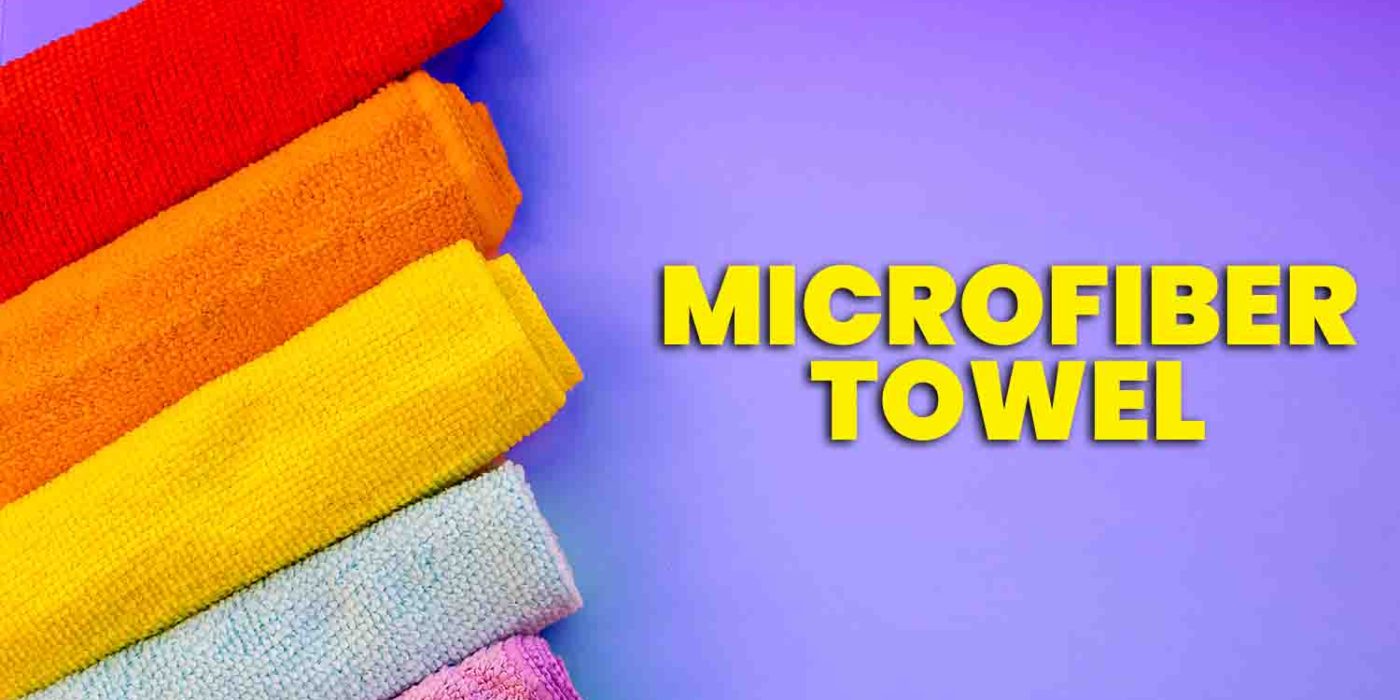
Microfiber Towel Material
Microfibers are classified differently, often called microfibers, fine fibres, finest fibres, the English name microfibers. A fibre with a fineness of 0.3 deniers (5 micrometres or less) is commonly referred to as ultra-fine fibre. Ultra-fine 0.00009 denier filaments are rendered abroad. If a filament-like this is taken from the planet to the moon, its weight does not exceed 5 g. China managed to manufacture 0.13-0.3 ultra-fine denier fibres. Microfiber composition consists primarily of two types of polyester: nylon polyamide (usually 80 per cent domestic polyester is 80 per cent), 100 per cent polyester (poor water absorption, bad hand feeling)).
The performance features:
The 0.4 μm in diameter fibre fineness is just 1/10 of that of silk. The warp-knitted terry cloth made from imported looms has a smooth, lightweight, soft and high-elastic fine pile with functional properties of decontamination and water absorption. There is no minor surface damage to scrub, no cilia breaking off from cotton fabrics; easy to wash and long-lasting.
Compared to standard cotton towels, towels with microfiber primarily have six features:
Highly water-absorbent
The ultra-fine fibre uses the orange-petal technique to divide the filament into eight lobes, thereby expanding the surface area of the fibre, raising the pores in the fabric and improving the water-absorbing effect through the capillary waving effect. Fast absorption of water and fast drying are impressive aspects of nature.
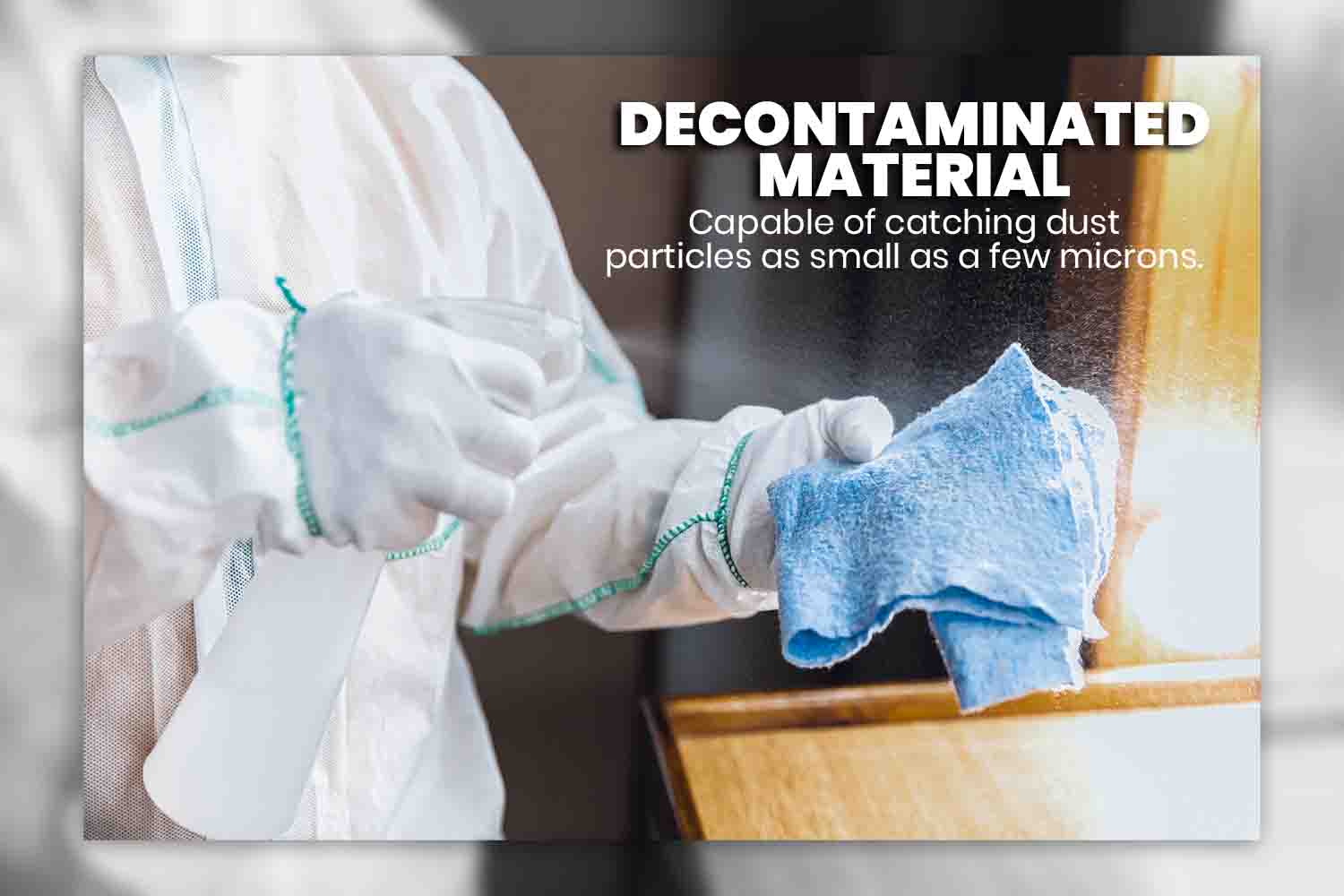
Decontaminated Material
The fineness of 0.4μm-diameter microfibers is just 1/10 of that of silk. A unique cross-section is capable of catching dust particles as small as a few microns, and the decontamination and decrease effect is apparent.
Does not shed hair
High-strength synthetic fibre filaments, not easy to split, using perfect weaving method at the same time, no spinning, no scraping, and the fibre is not natural to fall off the towel sheet. They are used for making diapers and drops. That is especially useful for cleaning surfaces with bright paint, plating surfaces, glass, instruments, and LCD screens. During the car filming process, it will clean the glass, which will create an ideal film effect.
Long-lasting
Having high strength and durability, the microfiber’s service life is more than four times that of ordinary towels. After frequent washing, it is always invariable. Around the same time, polymer fibre contains no protein comparable to cotton fibre. Hydrolysis would not be mouldy, rust and have a long life, even though it is not dried after use.
Easy to wash/clean
When using ordinary towels, particularly natural fibre towels, the surface of the material is directly absorbed into the fibre by dust, grease, dirt, etc. It will stay in the fibre after use, and cannot be removed easily. Even after a long time, Will get tight and lose flexibility which affects use. The microfiber towel absorbs the dirt between the fibres (instead of the fibre inside), and the fibre has a high fibre density and high density, so the adsorption ability is solid, and after use, cleaning with water or a little detergent is only necessary.
The colour doesn’t disappear
The dyeing process uses dyes such as TF-215 for microfiber materials, and its retardation, transferability, high-temperature reversibility, and decolourization indexes all meet the strict requirements of exporting international markets, especially its non-fading characteristic. The right side is that when washing the article’s surface, it will not create any issues with discolouration emissions.
The Way to Work:
Microfibers can absorb dust, particles, and liquids that have their weight seven times over. Each filament has a hair of just 1/200. Microfibers, therefore, have superior cleaning ability. Dust, sand, and debris may be absorbed by the distance between the filaments when washed away with water or soap or detergent.
Such voids also contain a significant amount of water, and the ultrafine fibres are heavily saturated with water. However, because it is just contained in the vacuum, it can be dried quickly, so that bacterial growth can be stopped effectively.
Ordinary fabric: Just hold back and push water. Residues will be added on the surface to be washed. If there is no space to catch the dirt, the rag’s surface will become dusty and hard to clean.
Microfiber fabric: Countless tiny spatulas will shovel and store dirt until it is washed away. The result is smooth, clean air. Wet use can cause emulsification of dirt and oil, and microfibers can be easier to wipe off. High absorption of water makes cleaning of spilt liquid very fast.